Key takeaways
- Old brick is softer than modern brick and needs a softer, breathable mortar.
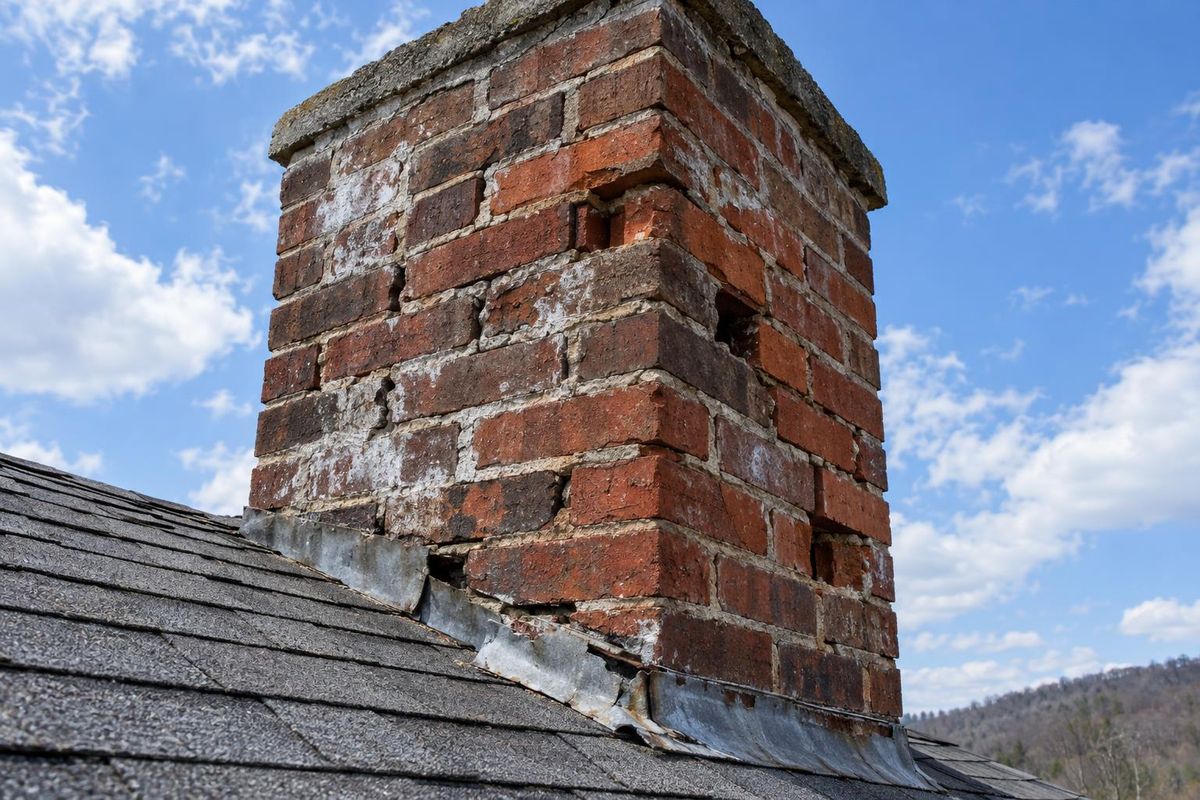
- Hard Portland cement mortar can crack and spall old brick.
- Color and joint profile matter as much as strength.
- Test samples cured and dry before committing.
The rule of sacrificial mortar
Mortar should be weaker and more permeable than the brick, so that moisture and movement are taken up by the joints rather than the brick faces. Old brick, made with lower firing temperatures, is soft and absorbent.
Using a hard modern mortar reverses that relationship and can strip the faces off bricks.
Mortar types
Lime-based and low-strength mortars, often labeled as Type O or Type N or true lime mixes, are common for restoration. Stronger mortars such as Type S are used for structural and below-grade work.
A mason can test the existing mortar and brick to recommend a compatible mix.
Color and texture
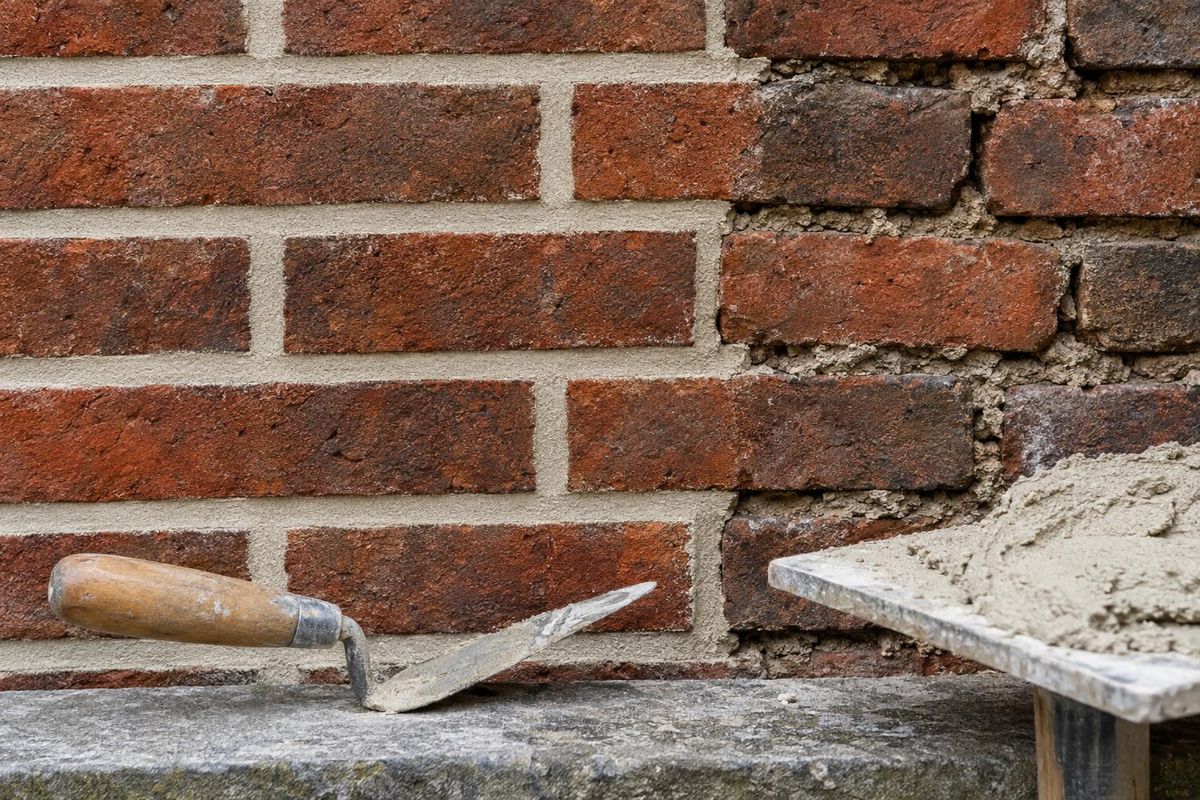
Mortar color comes from the sand and any pigment. Matching a weathered joint takes test samples that are allowed to cure, because wet and dry mortar look different.
The joint profile, such as flush, concave or raked, also changes the look and the performance.
Why it matters for your home
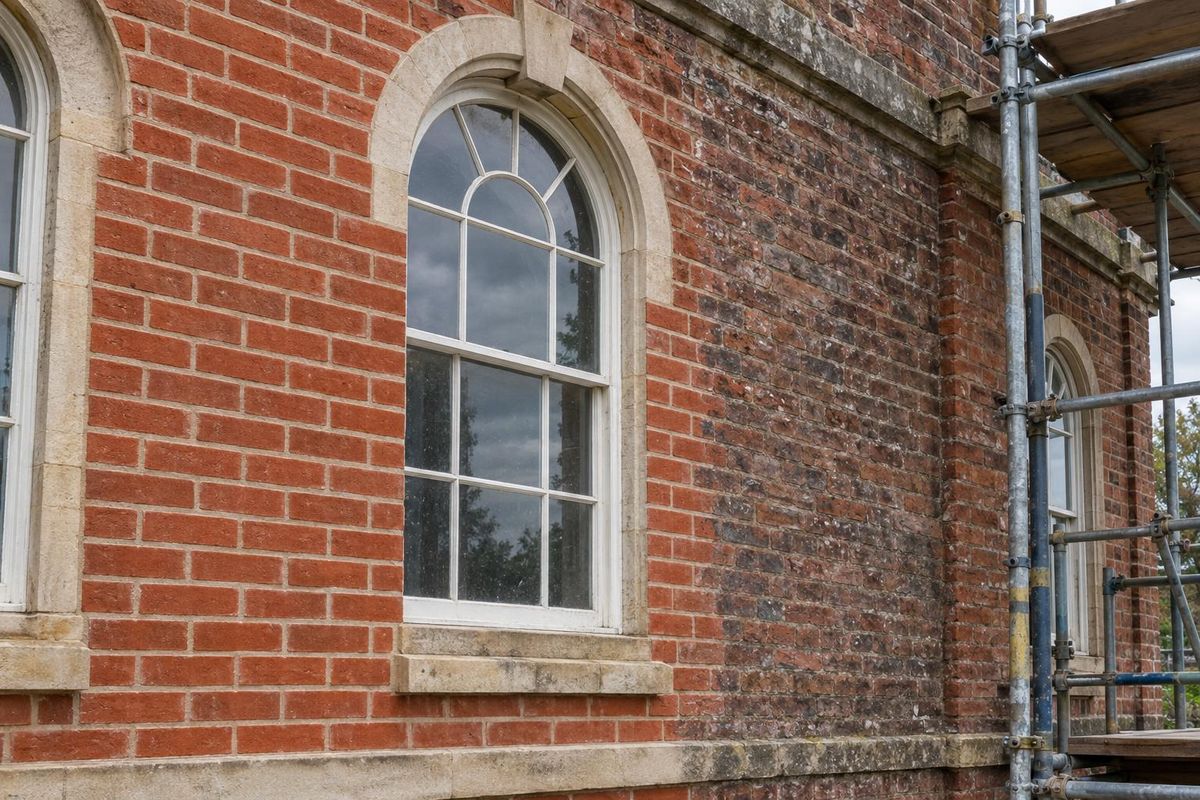
Many older Nashville-area homes have soft brick and original lime mortar. Repointing with the right mix preserves the wall for another century.
Repointing with the wrong mix can shorten its life.
Quick answers
What happens if I use the wrong mortar?
The brick can crack or spall because it cannot breathe or move the way the mortar does.
Can I tell if my brick is soft?
A mason can test it. Very old, hand-molded or underfired brick tends to be softer.