Key takeaways
- Mortar wears first, by design, and it needs replacing every so often.
- Recessed, crumbling or sandy joints are the clearest sign.
- Water stains inside the house can trace back to failed mortar outside.
- Match the mortar to the brick, especially on older homes.
Signs on the surface
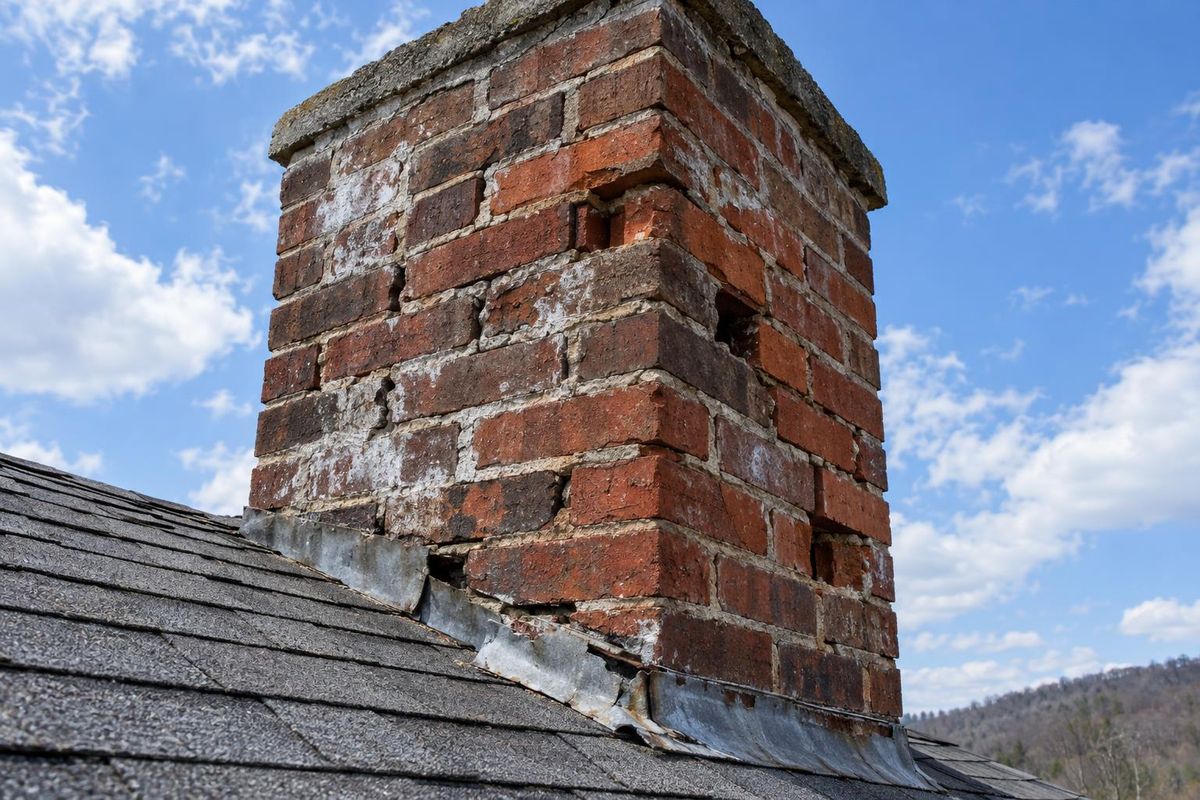
Look for mortar that is crumbling, sandy, cracked or recessed more than about a quarter inch behind the brick face. Gaps between the brick and the mortar are a warning too.
Small vegetation, such as moss or tiny plants growing in joints, means water and soil are collecting there.
Signs inside and around
Water stains on interior walls and ceilings near brick walls, peeling paint and musty smells can all start from failed joints. Loose or shifting bricks and visible cracks across several courses point to something larger.
Efflorescence, the white powder on brick, shows water is moving through the wall.
The key test
Press a screwdriver or a key lightly into a joint. If it digs in easily, the mortar has lost its strength. Check several areas, especially the south and west sides that get the most weather, and areas below windows and rooflines.
If you find more than a few failed joints in an area, the whole area likely needs work.
What good repointing looks like
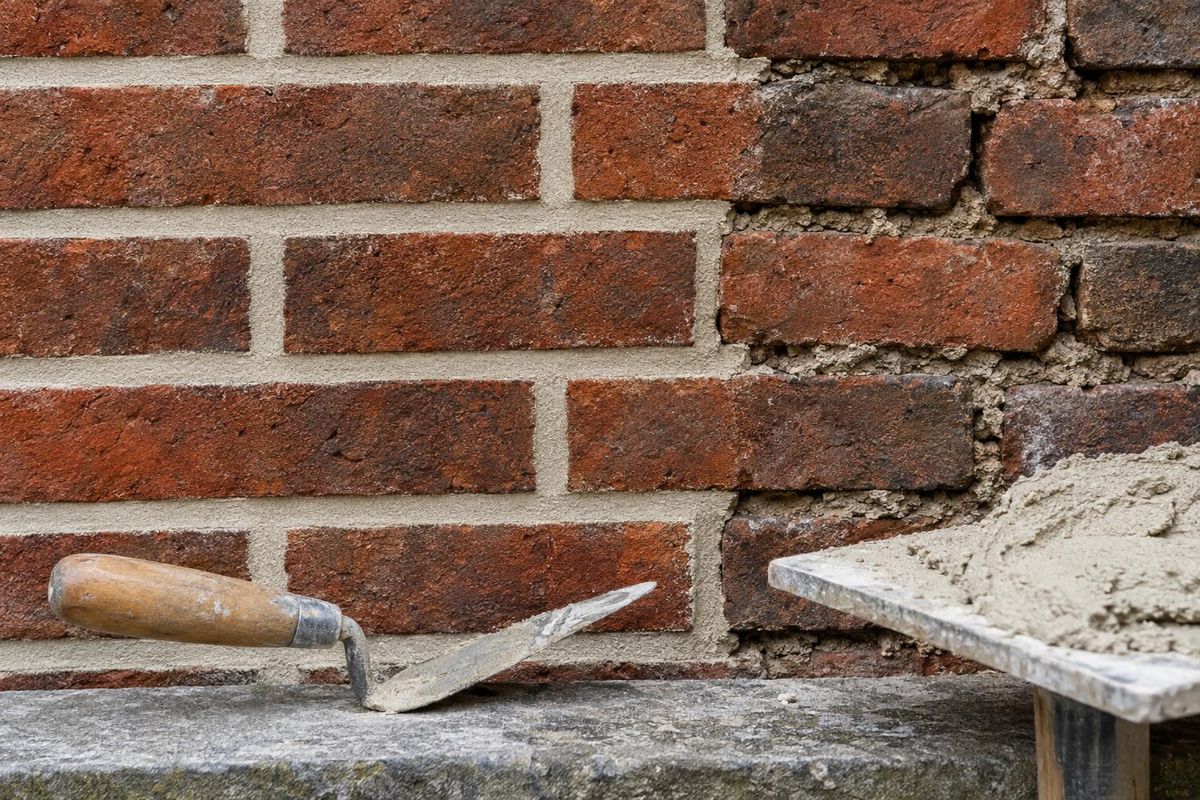
Old mortar is ground out to a depth of about two to two and a half times the joint width, the joint is cleaned and new mortar is packed in layers and tooled to match.
On older homes, mortar should be softer than the brick. A professional can test the wall and recommend the right mix.
Quick answers
How long does mortar last?
Mortar commonly lasts several decades, depending on exposure and the original mix.
Can I repoint myself?
Small areas are possible, but grinding without damaging brick and matching mortar is a skill. Most homeowners hire a mason.