Key takeaways
- Drainage behind the wall is the single most important detail.
- Taller walls usually need engineering and permits.
- A compacted base and a slight backward lean add stability.
- Block, stone and brick each suit different looks and loads.
How a retaining wall works
A retaining wall resists the push of soil and water behind it. Gravity walls rely on their weight and a backward lean. Taller walls use geogrid layers that tie the wall into the soil behind it.
Water adds enormous pressure, which is why drainage is critical.
Why walls fail
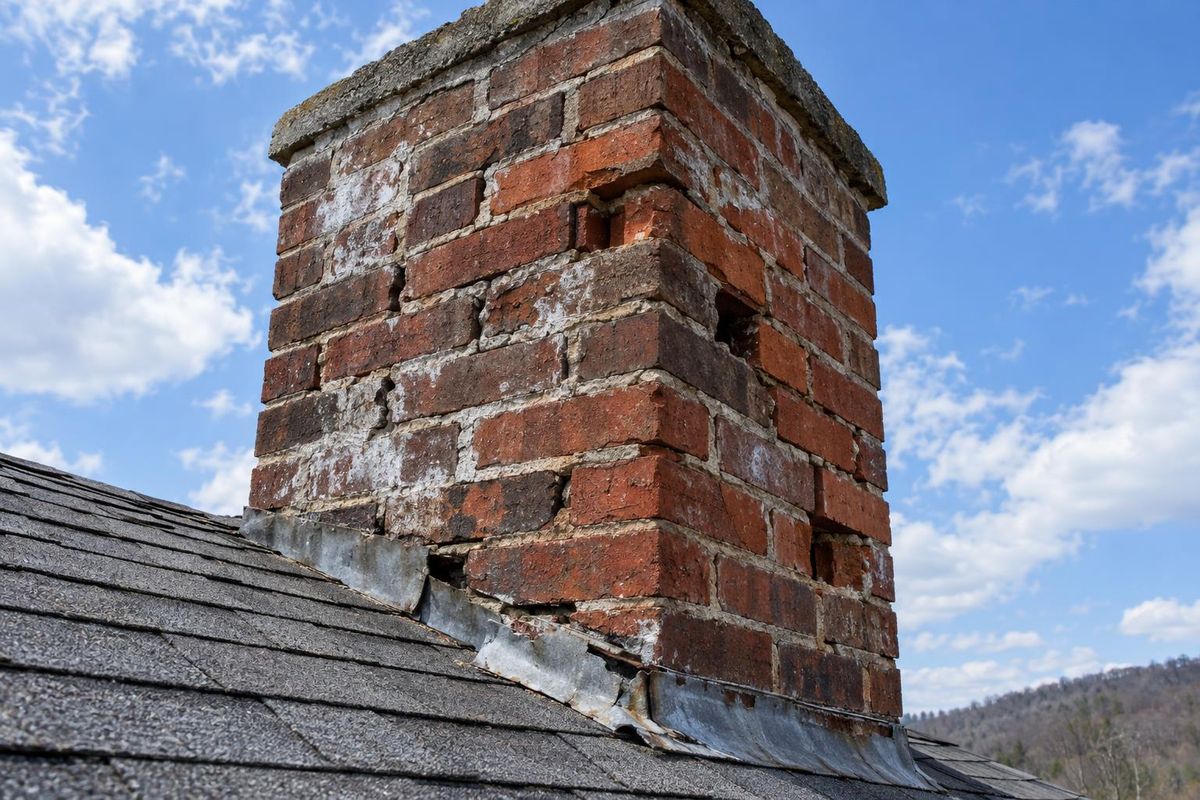
Most failures come from poor drainage, a weak or uncompacted base, walls built too tall without reinforcement or soil that was not compacted in lifts.
Tennessee clay holds water and swells, so proper gravel backfill and perforated pipe matter.
Height and permits
Many places require engineering and permits for walls taller than about four feet, or for walls that support driveways, structures or slopes. Rules vary by city and county.
A good mason will tell you when a project crosses that line and help you with the process.
Choosing a material
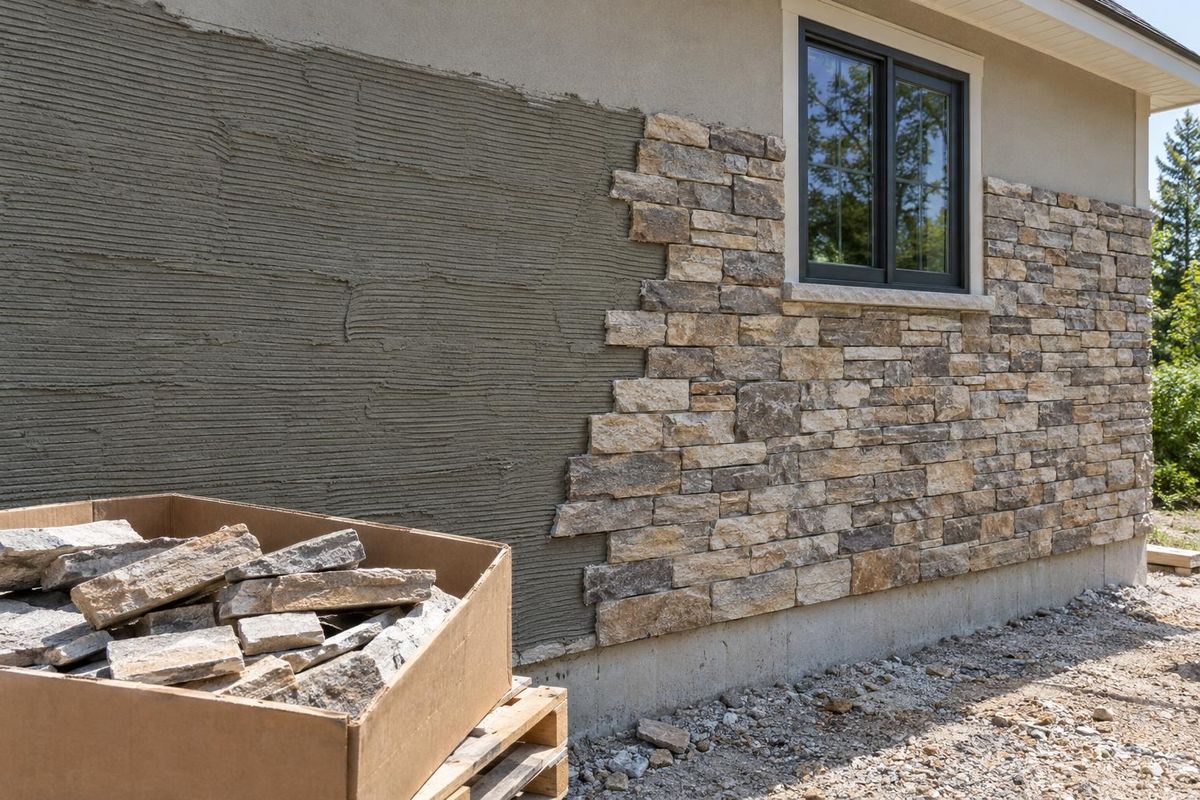
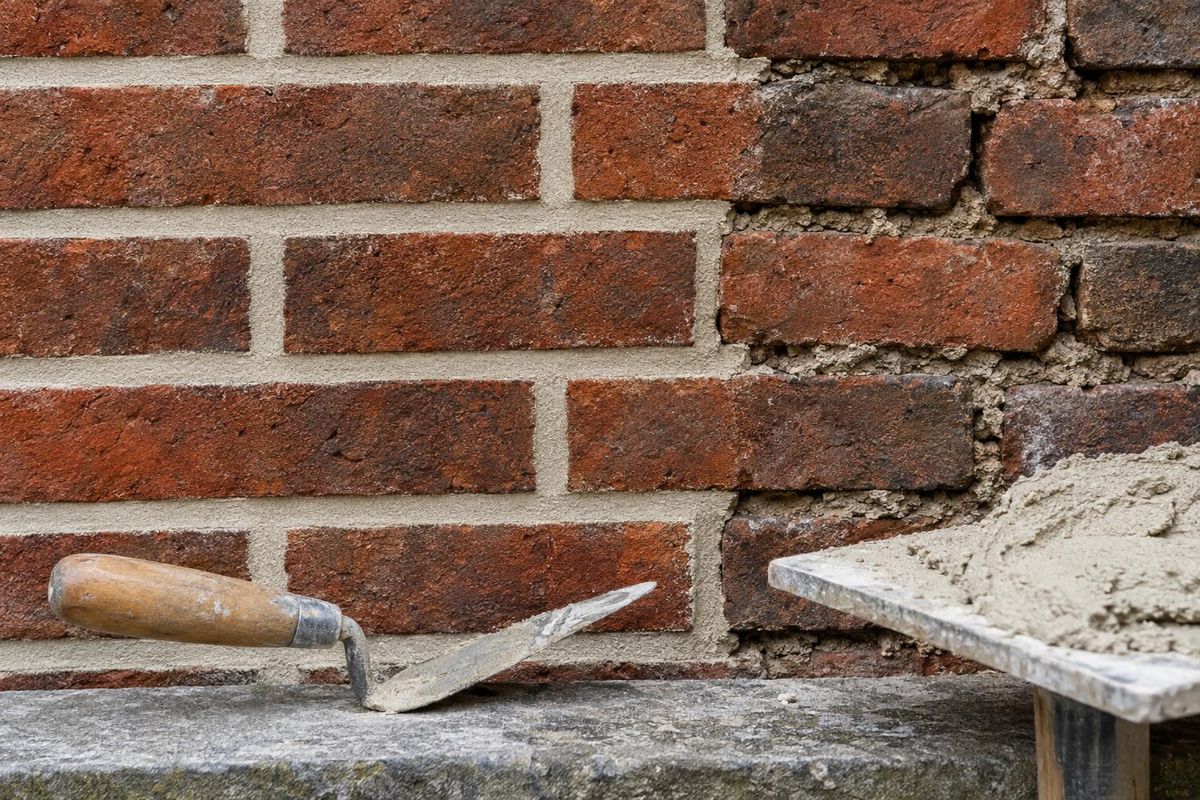
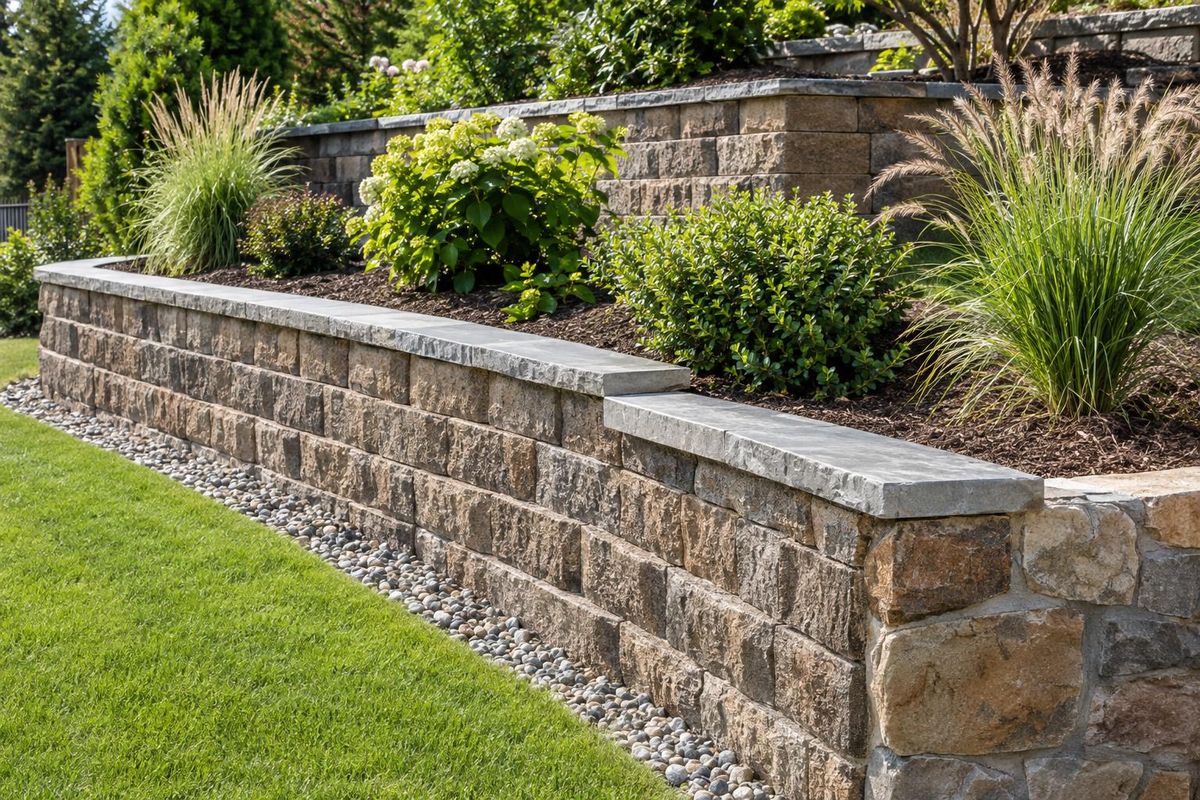
Segmental block is efficient and strong. Natural stone has unmatched character. Brick and mortared walls offer a formal look.
Caps and planting details tie the wall into the landscape.
Quick answers
How tall can I build a retaining wall myself?
Low garden walls can be a DIY project, but tall walls and walls supporting structures should be engineered.
Do I need drainage behind a short wall?
Yes. Even short walls benefit from gravel and a way for water to escape.