Key takeaways
- Full stone is set as masonry; veneer is a thin layer applied over a prepared wall.
- Veneer is lighter and often easier to fit to existing homes.
- Both depend on flashing, drainage and good substrate preparation.
- The right choice depends on structure, scope and the look you want.
What natural stone means
Full-thickness natural stone is cut from quarries and set with mortar as part of, or against, a structural wall. It can be several inches thick and heavy, so it needs a footing or ledge that can carry it.
Local stones such as Tennessee limestone and Cumberland sandstone are popular, and their color and texture are hard to match.
What stone veneer means
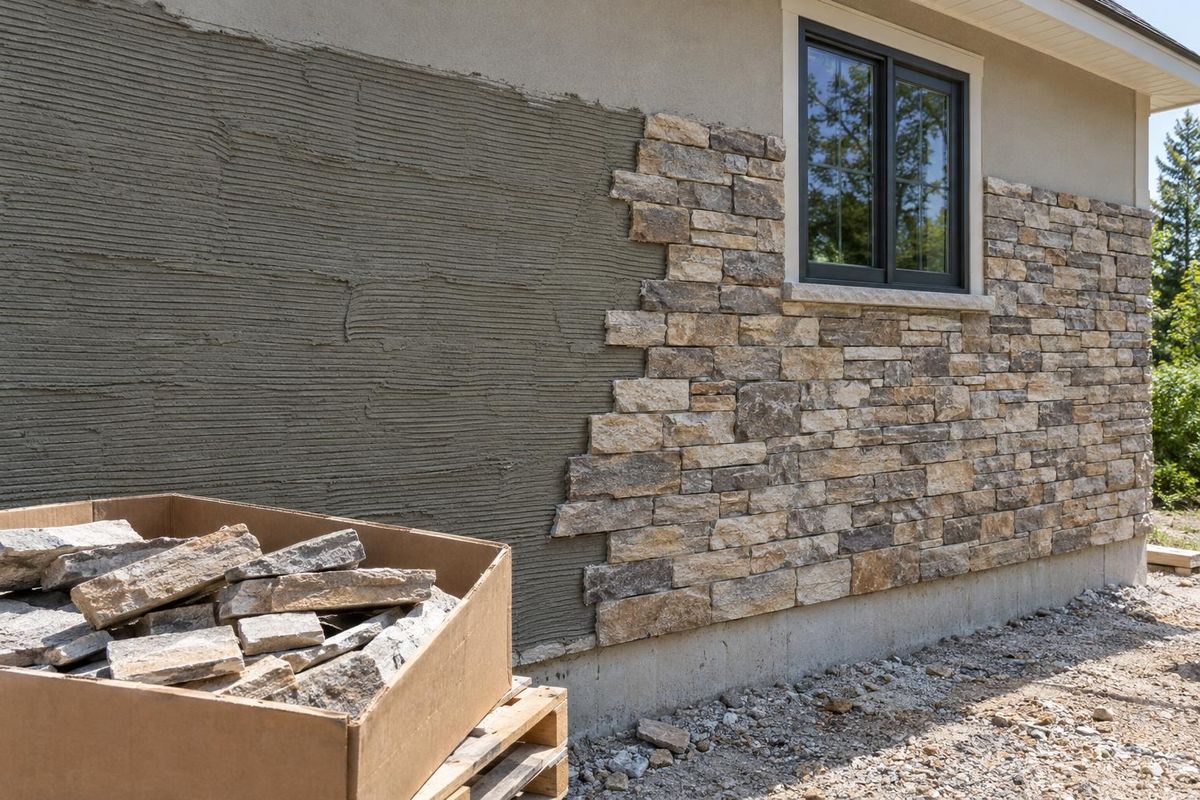
Veneer is a thin layer of cut natural stone or manufactured stone, usually an inch or two thick. It is adhered over a moisture barrier and metal lath with a scratch coat, or directly to an approved surface.
Because it weighs far less, it can often be added to an existing home without a new foundation ledge.
Where the details decide the outcome
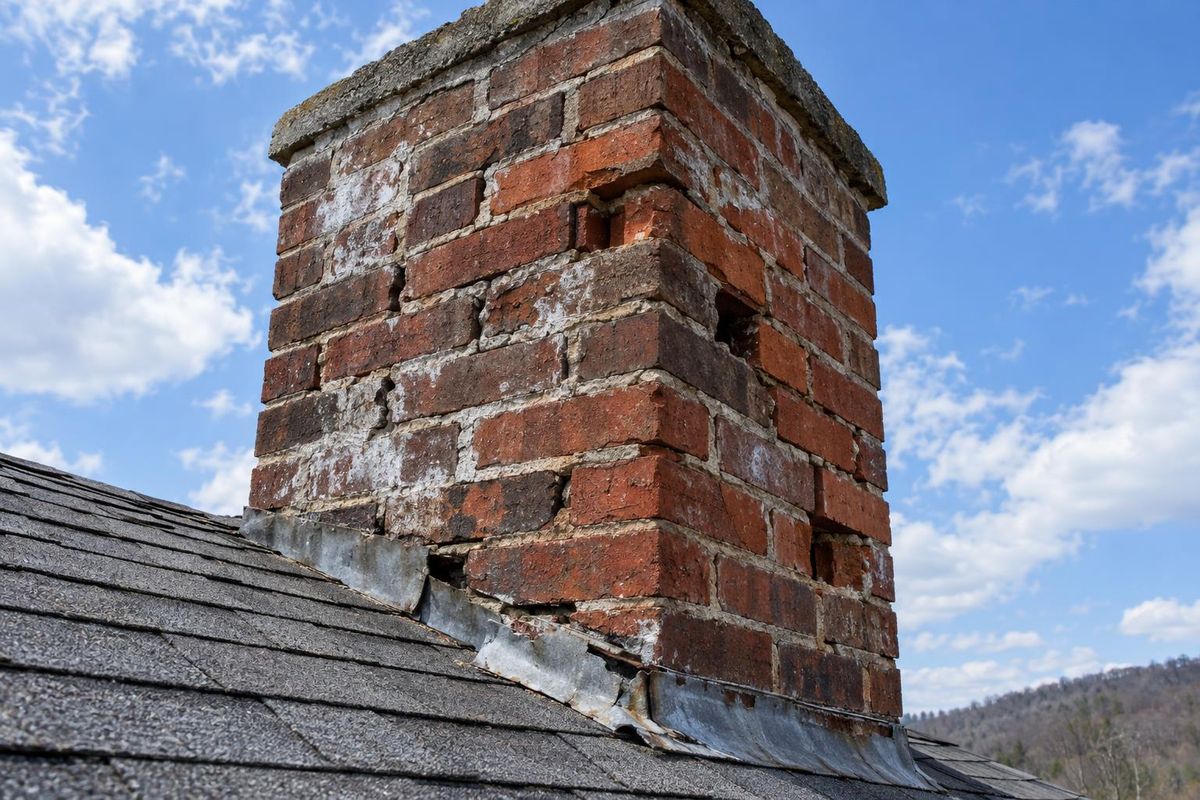
Both systems fail when water gets trapped behind them. Flashing at the base and around openings, weep holes and a clear gap from soil and mulch are the details that matter most.
A good installer talks about these details before talking about color.
Choosing between them
Choose full stone when you want maximum authenticity and the structure can carry it, such as new construction, chimneys and walls. Choose veneer for renovations, facades and fireplace surrounds where weight and access matter.
A visit to the site and a look at samples makes the decision clear.
Quick answers
Does veneer look fake?
Quality veneer, installed with varied pieces and natural joints, looks excellent. Poorly blended or poorly cut work is what looks artificial.
Which lasts longer?
Both can last for decades when installed with proper drainage and flashing.